
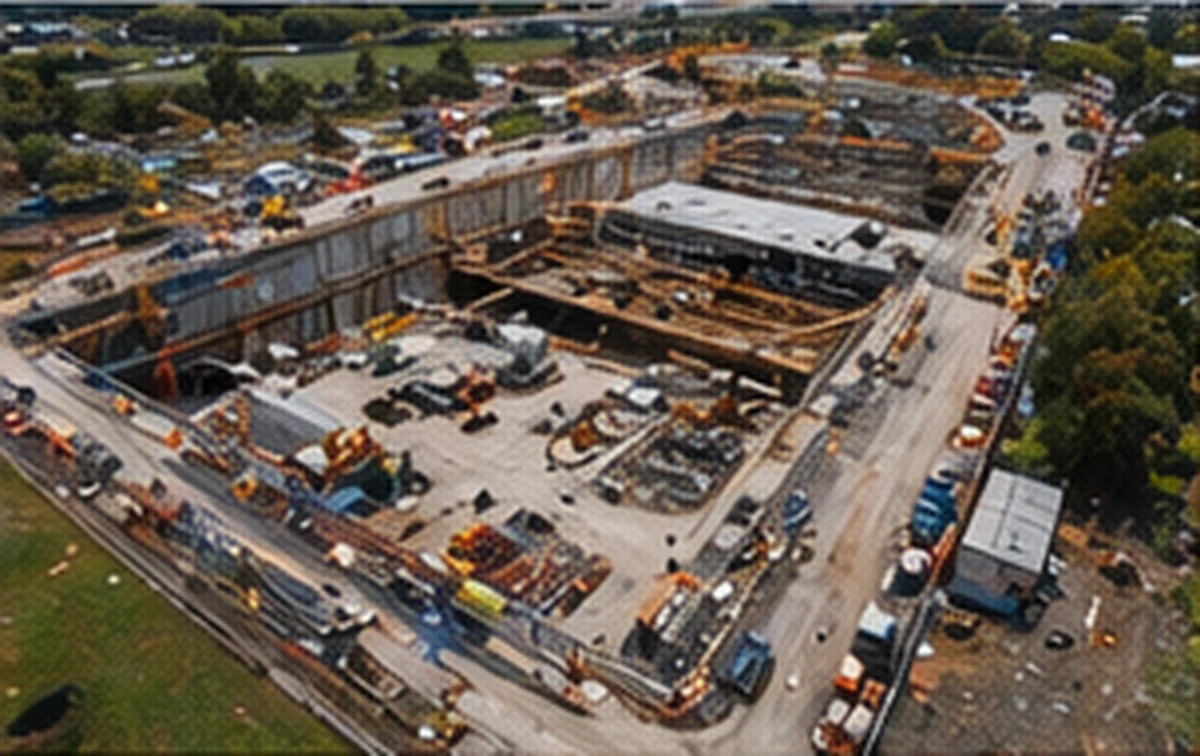
Builders & Head Contractors
Engineering input for tenders, construction planning, design coordination and site-driven changes.
Construction-focused engineering support
Ground Engineers supports builders, contractors and project teams with practical engineering advice for excavations, foundations, shoring, retention systems and construction-stage design.
We help turn site conditions, structural requirements and construction constraints into clear, buildable engineering decisions.
Who We Help
Ground Engineers works with builders, civil contractors, developers, project managers, architects and construction teams who need practical technical input before or during construction.
We are suited to projects where ground conditions, structural loads, access, staging, adjacent assets or construction methodology need to be considered together.
Engineering input for tenders, construction planning, design coordination and site-driven changes.
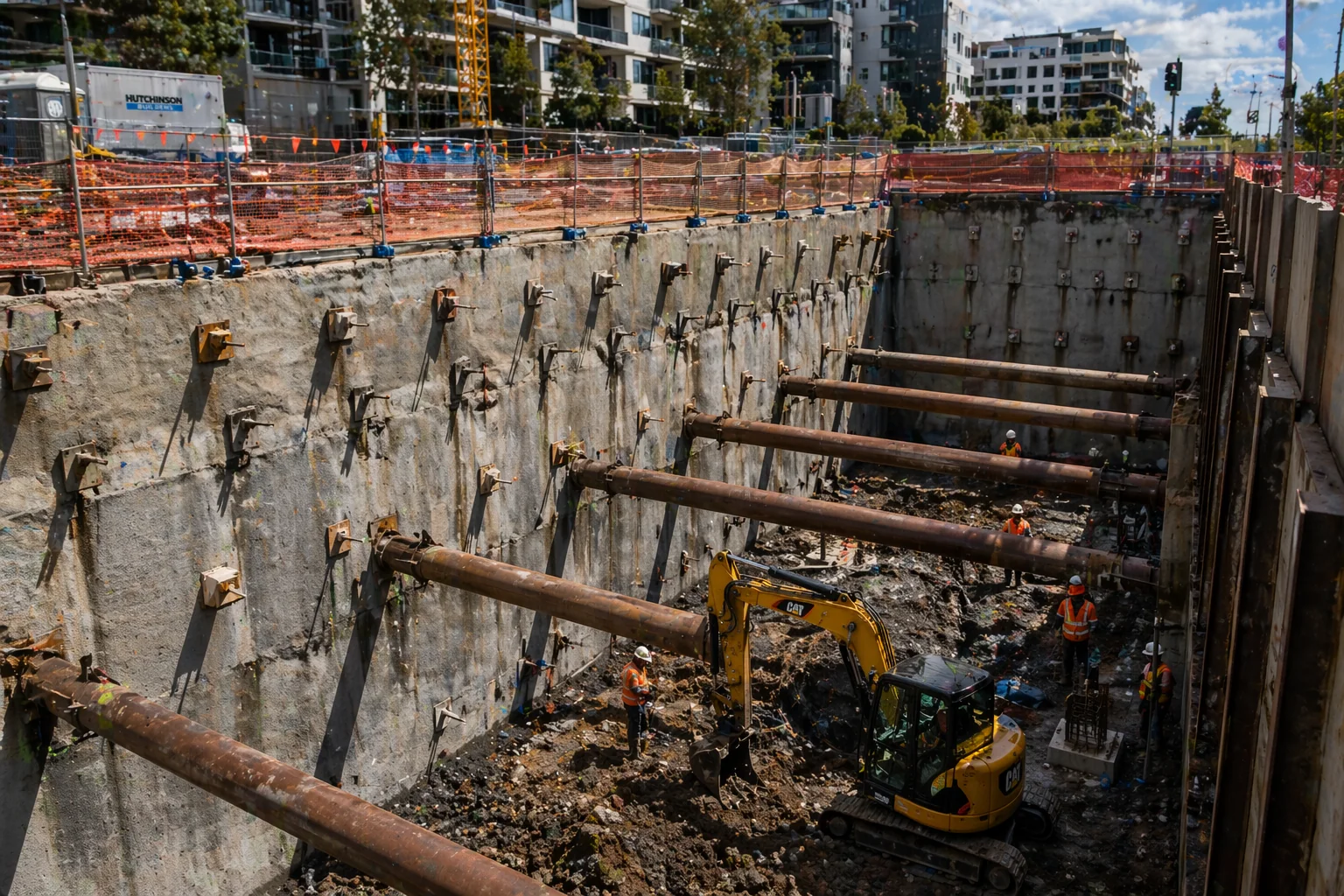
Support for shoring, retention, temporary stability, excavation staging and ground-related construction risks.
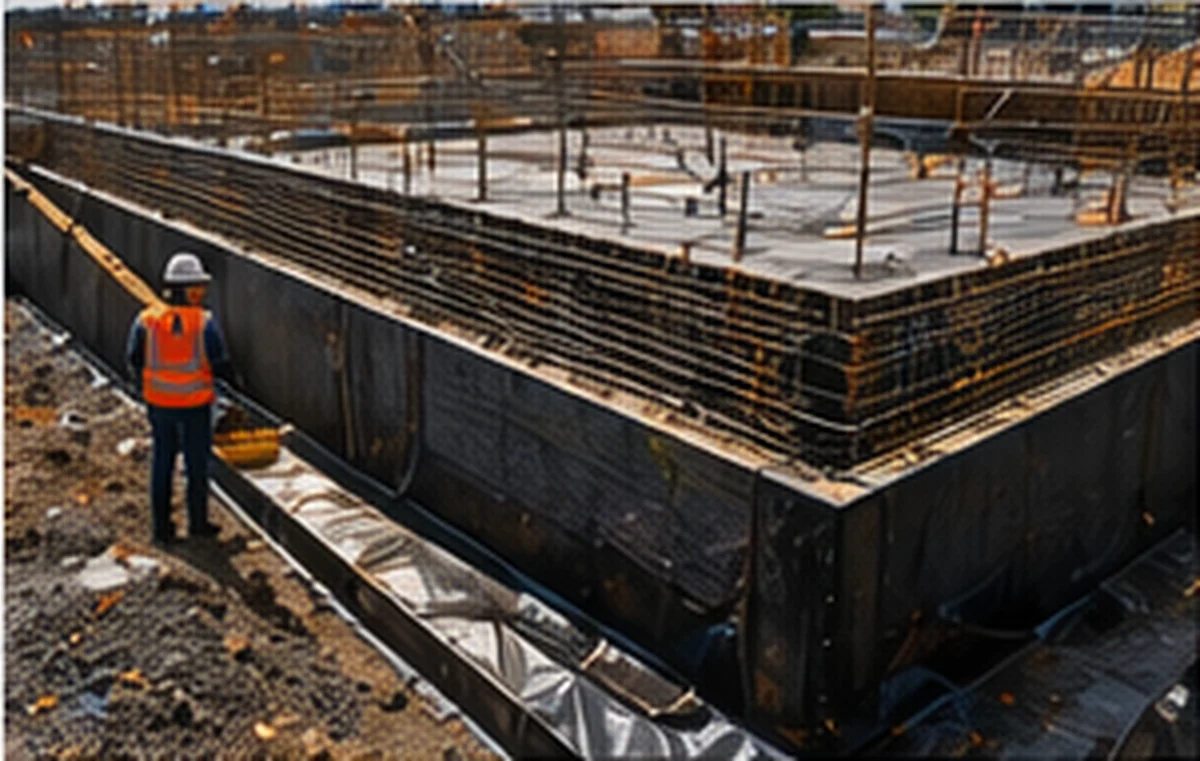
Early advice to identify foundation, basement, retention and constructability issues before they become expensive.
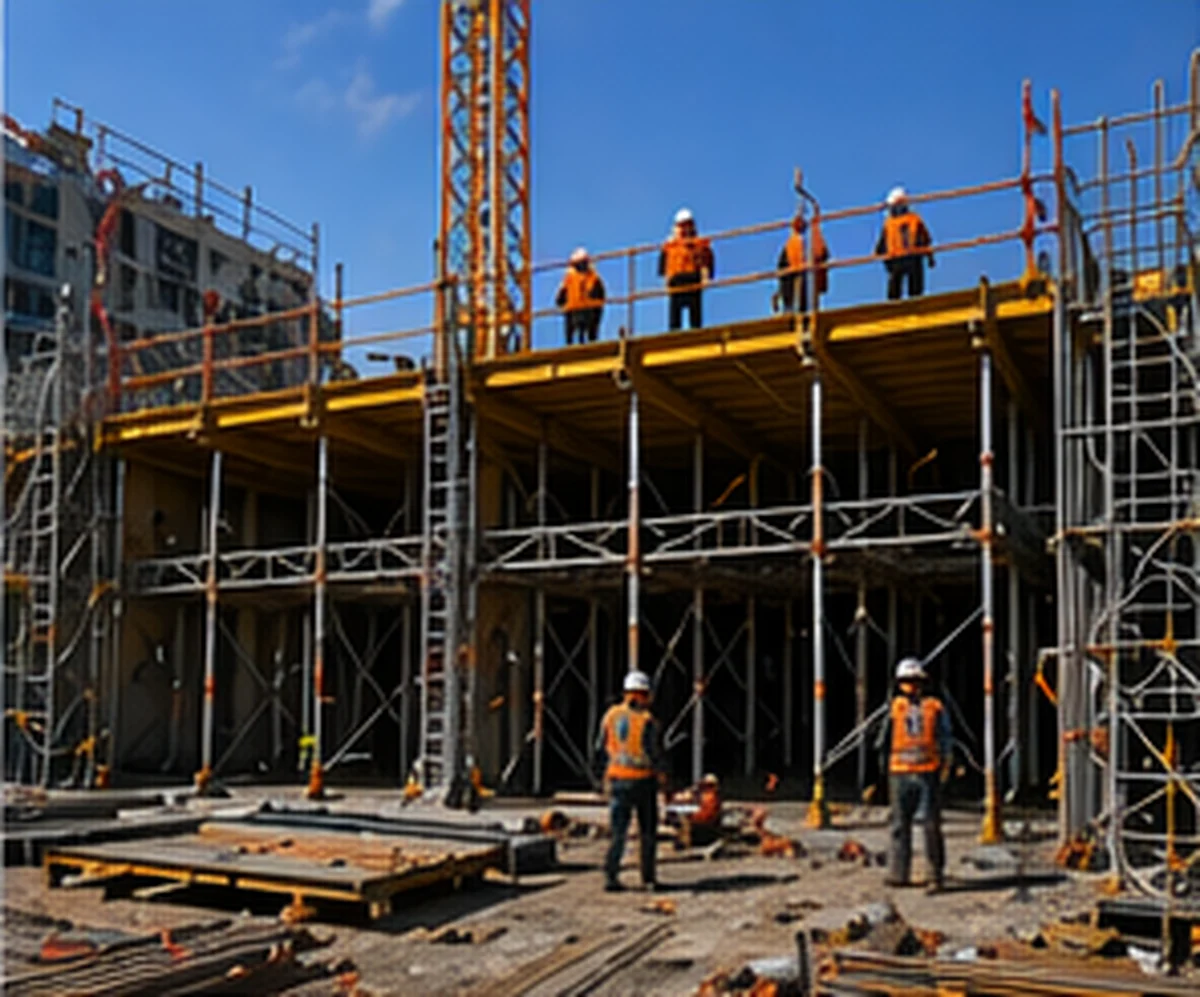
Coordination input where ground, structure and buildability affect design decisions.
Services Overview
The service mix supports site investigations, structural decisions, temporary works planning, shoring design and foundation advice without the disconnected handover that often slows construction projects down.
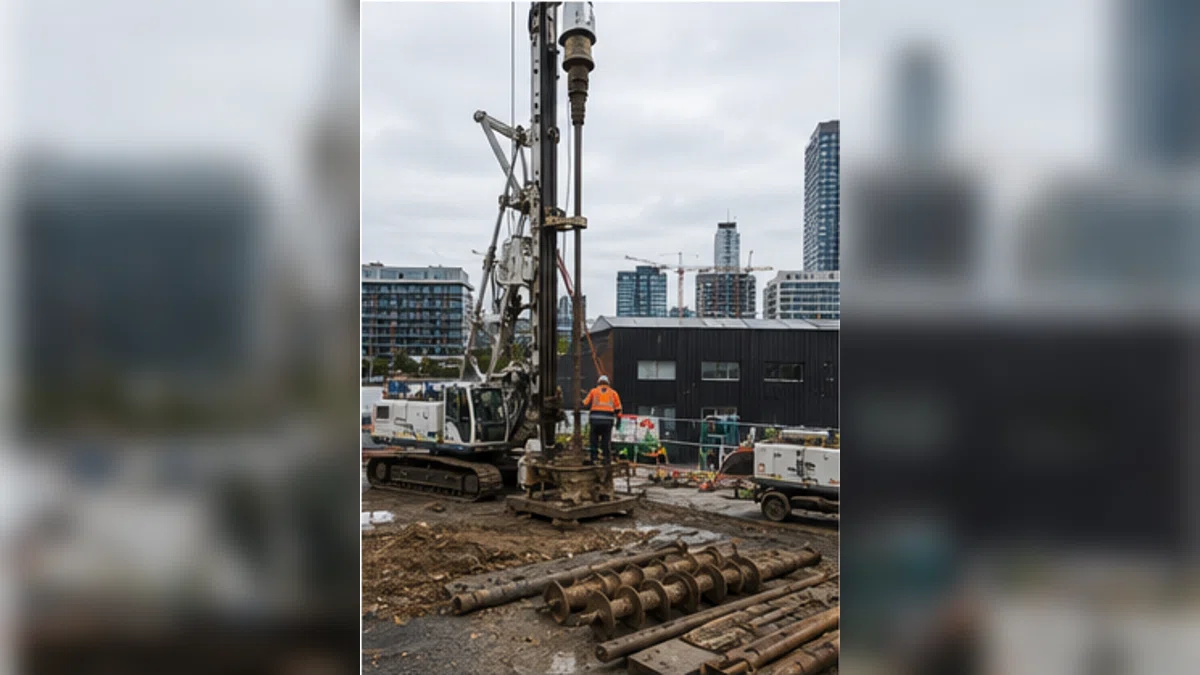
Investigation scoping, interpretation of ground information and practical advice for excavation, foundations and construction planning.
Explore service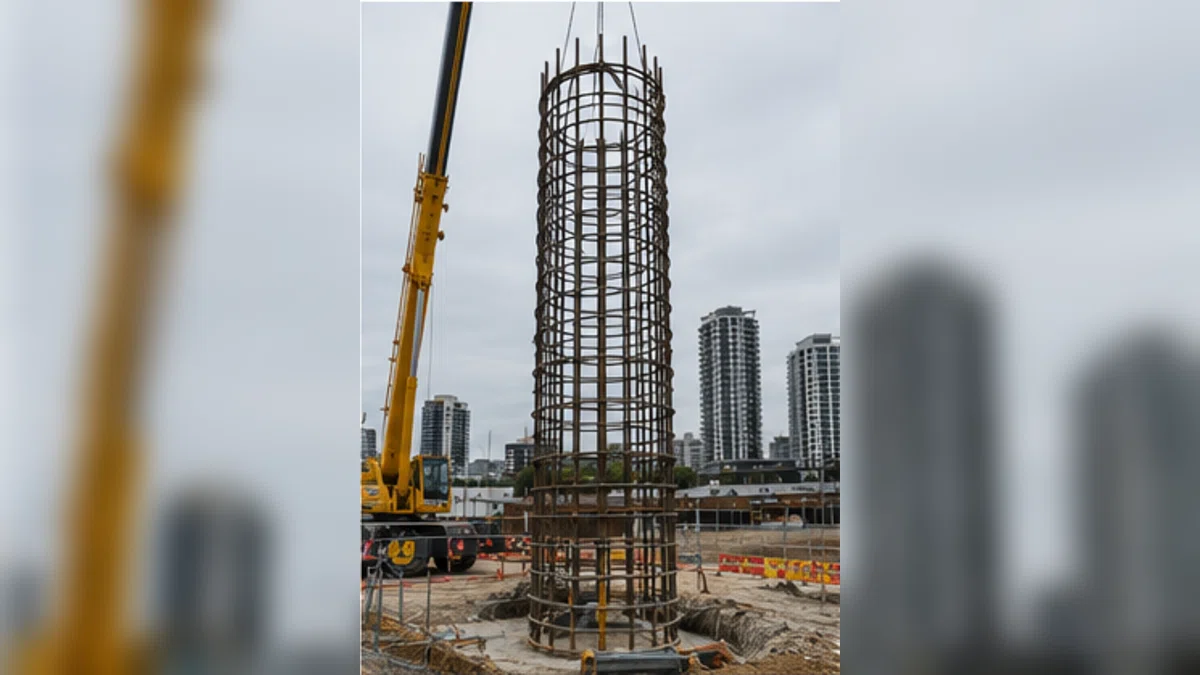
Buildability-focused structural input for design coordination, construction-stage review and site constraints.
Explore service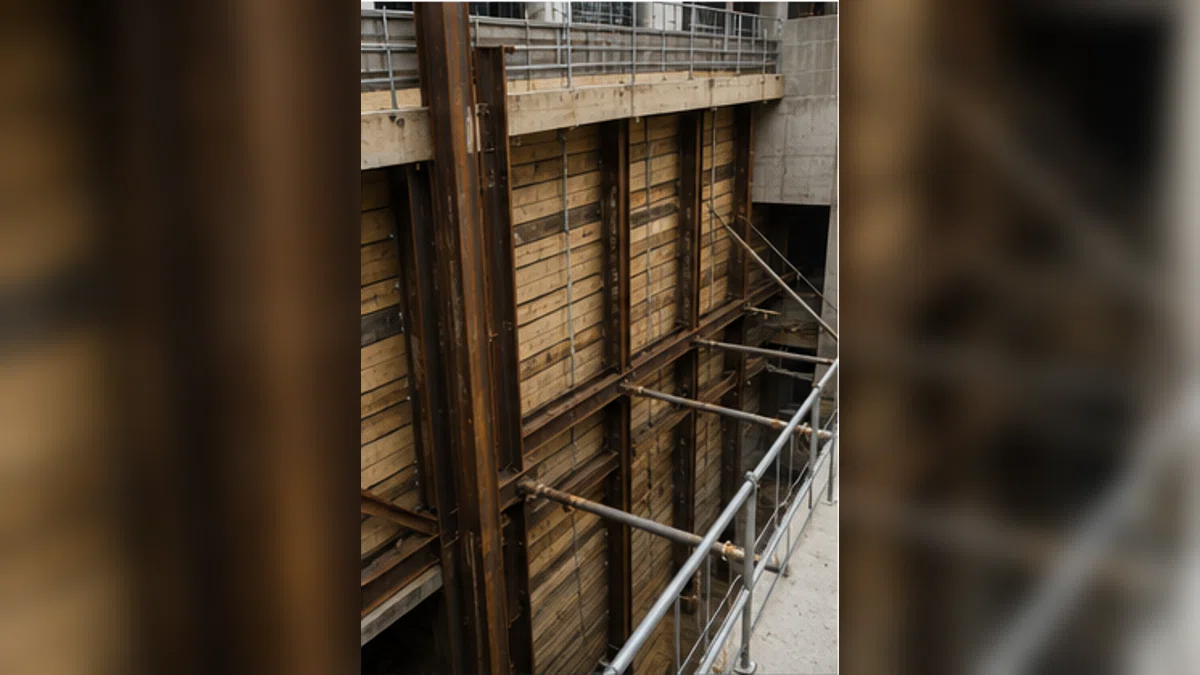
Temporary stability, excavation support, propping, anchoring and staged construction input.
Explore serviceFoundation and pile design input coordinated with geotechnical conditions, structural loads and site access.
Explore service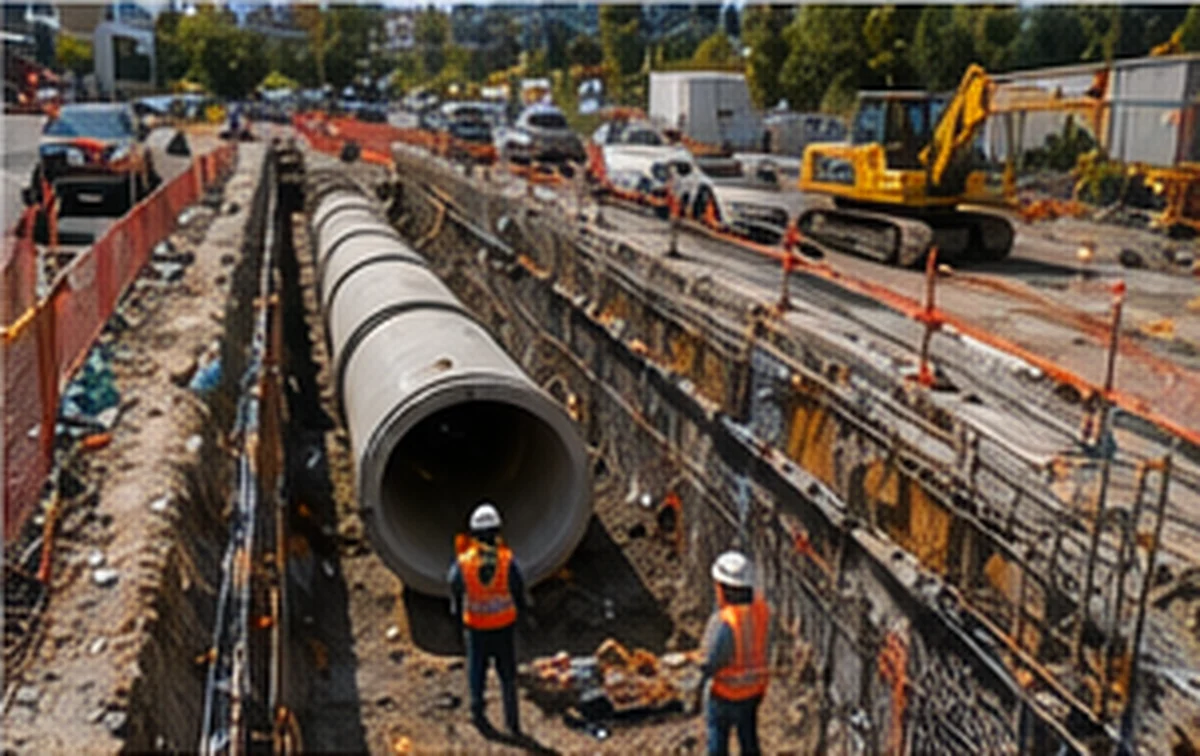
Site-aware technical review where civil, structural, geotechnical and temporary works issues overlap.
Explore service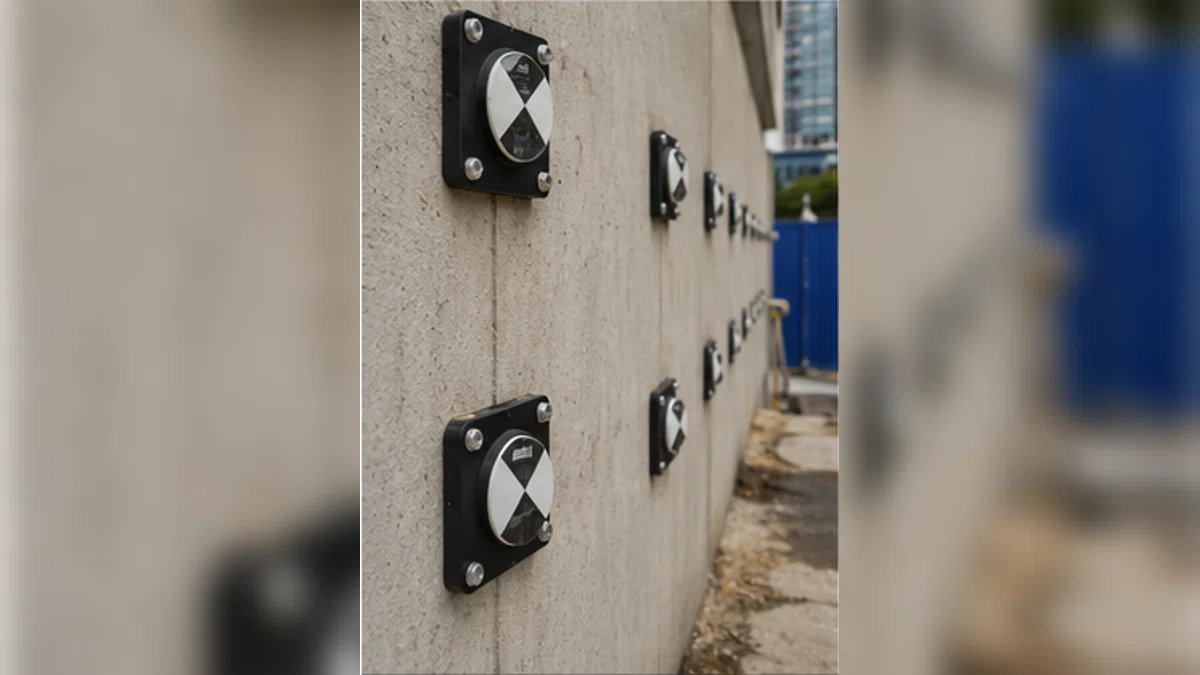
Settlement, vibration, inclinometer, crack and structural monitoring for live construction sites and adjacent assets.
Explore serviceProject Types
Ground Engineers provides engineering input for projects where excavation, foundations, retention, temporary works or site constraints require practical coordination.
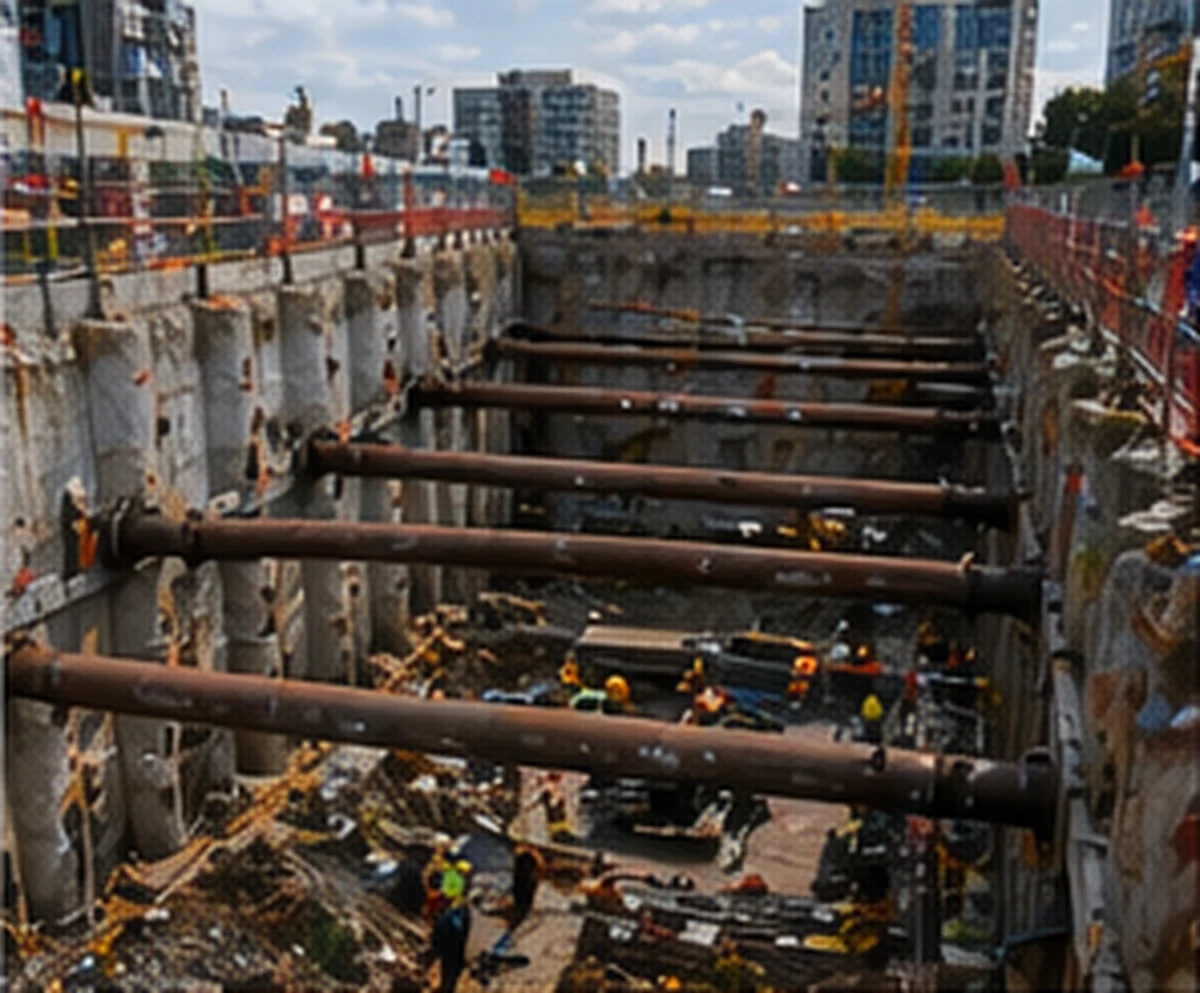
Engineering support for excavation retention, adjacent constraints, temporary stability and construction sequencing.
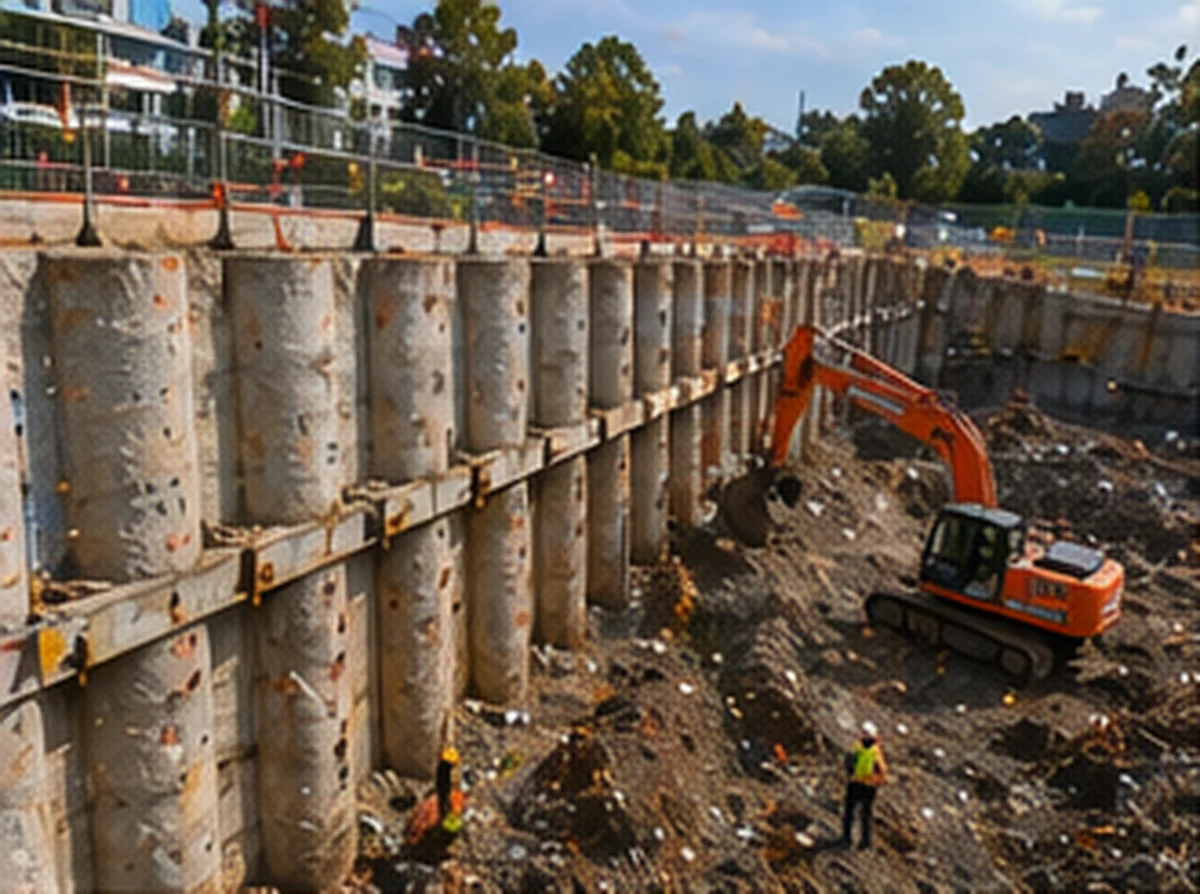
Input for soldier pile walls, secant pile walls, shotcrete, anchors, props and staged excavation support.
Foundation and pile design advice coordinated with geotechnical conditions, structural loads and construction access.
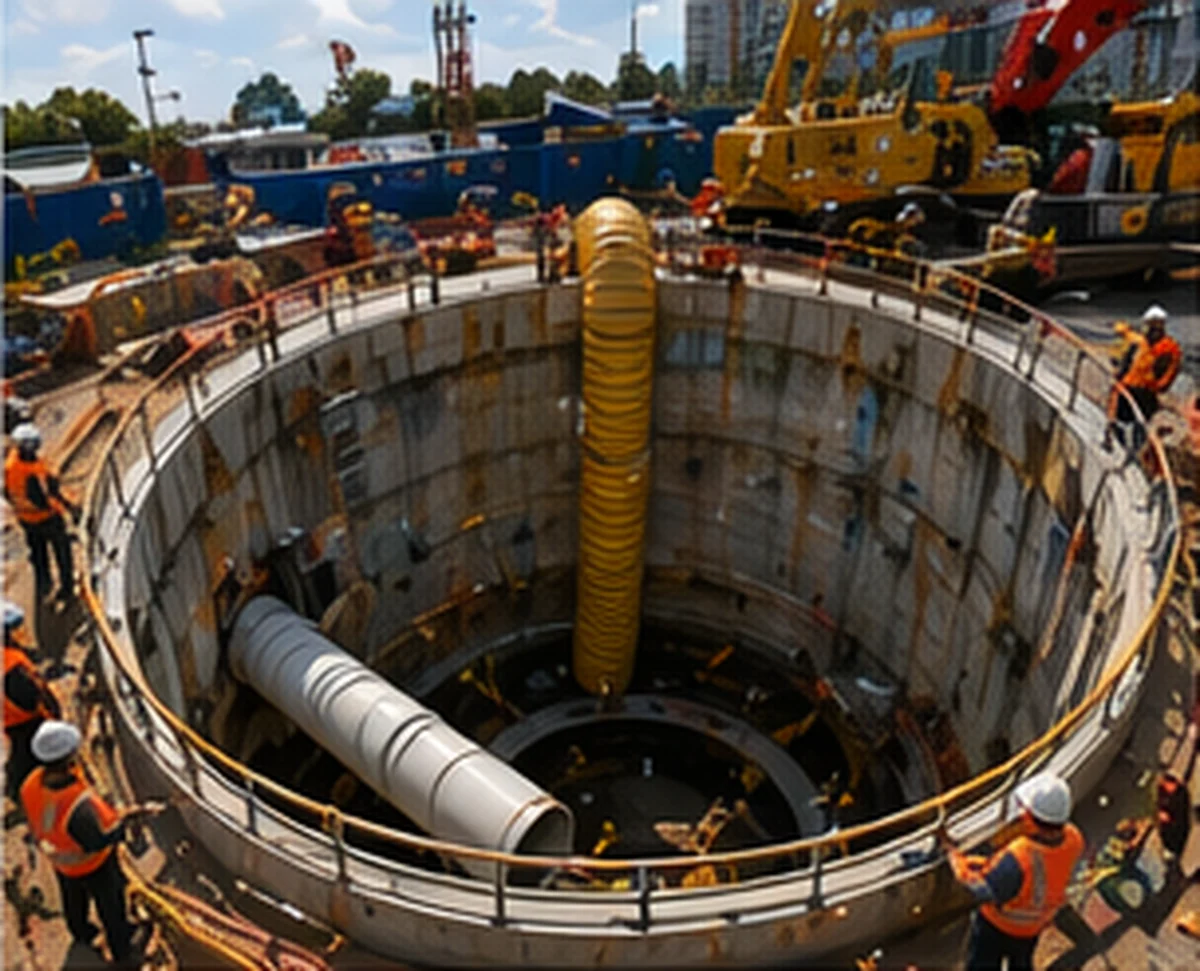
Support for shaft excavation, retention, temporary works and ground-related interfaces around infrastructure works.
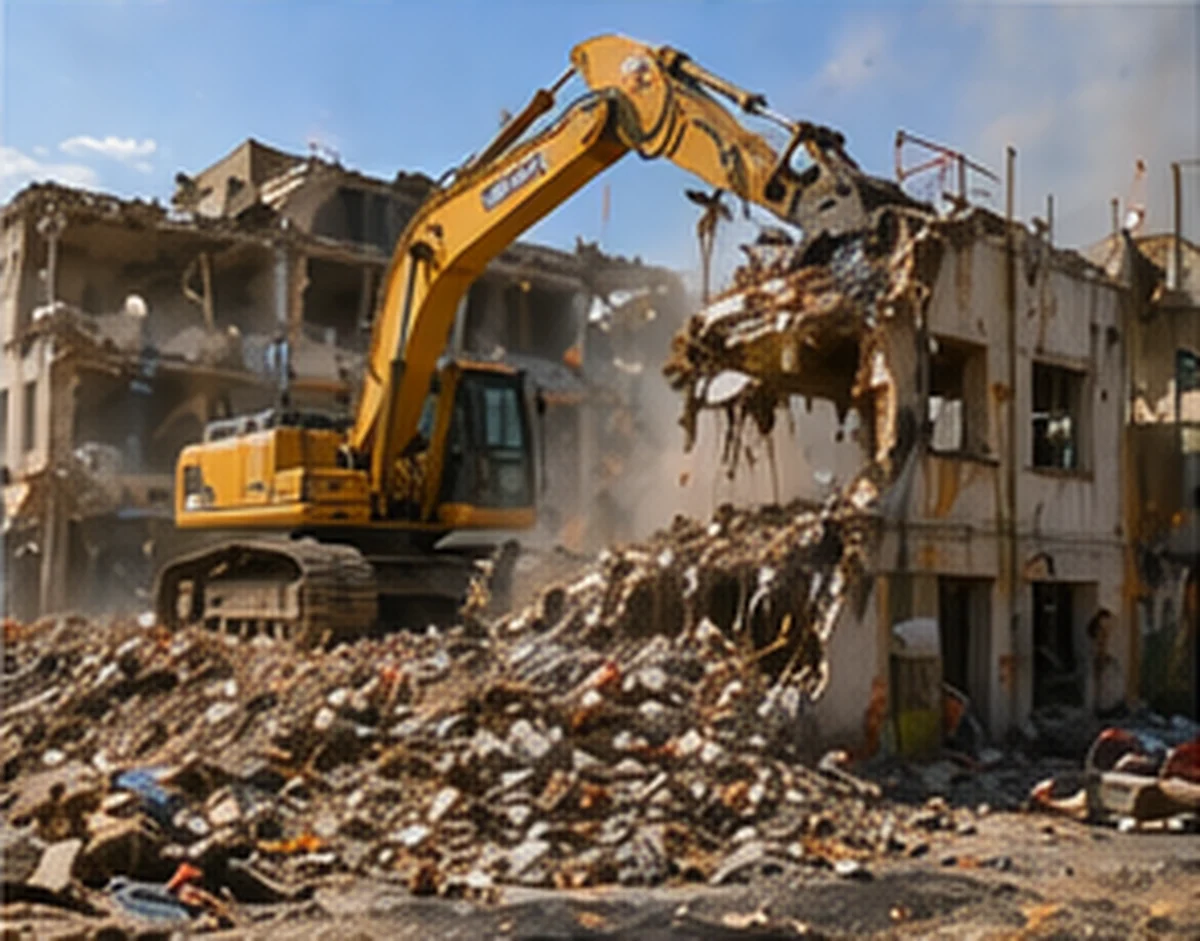
Construction-stage engineering input for demolition methodology, temporary support and structural stability.
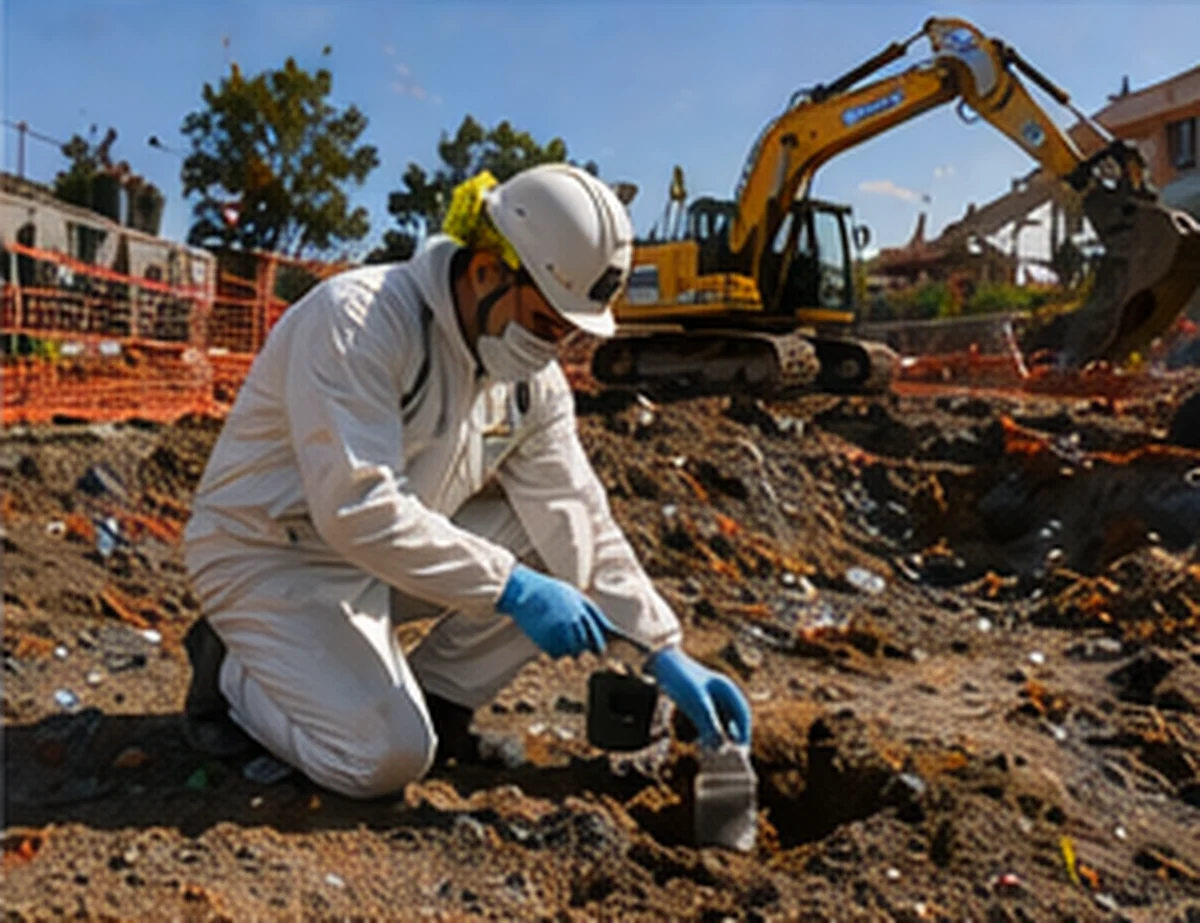
Advice for projects affected by contamination, existing structures, access limits, adjacent assets or uncertain ground conditions.
Faster Review
To help us assess your project quickly, send any available background information with your enquiry. A perfect brief is not required; enough context to understand the site, constraints and decision needed is the goal.
Engineering Judgement
Ground Engineers uses structured digital workflows to organise project information, improve documentation clarity and reduce repetitive drafting effort.
These tools support the engineering process. They do not replace technical judgement, design checking, site-aware review or professional responsibility.
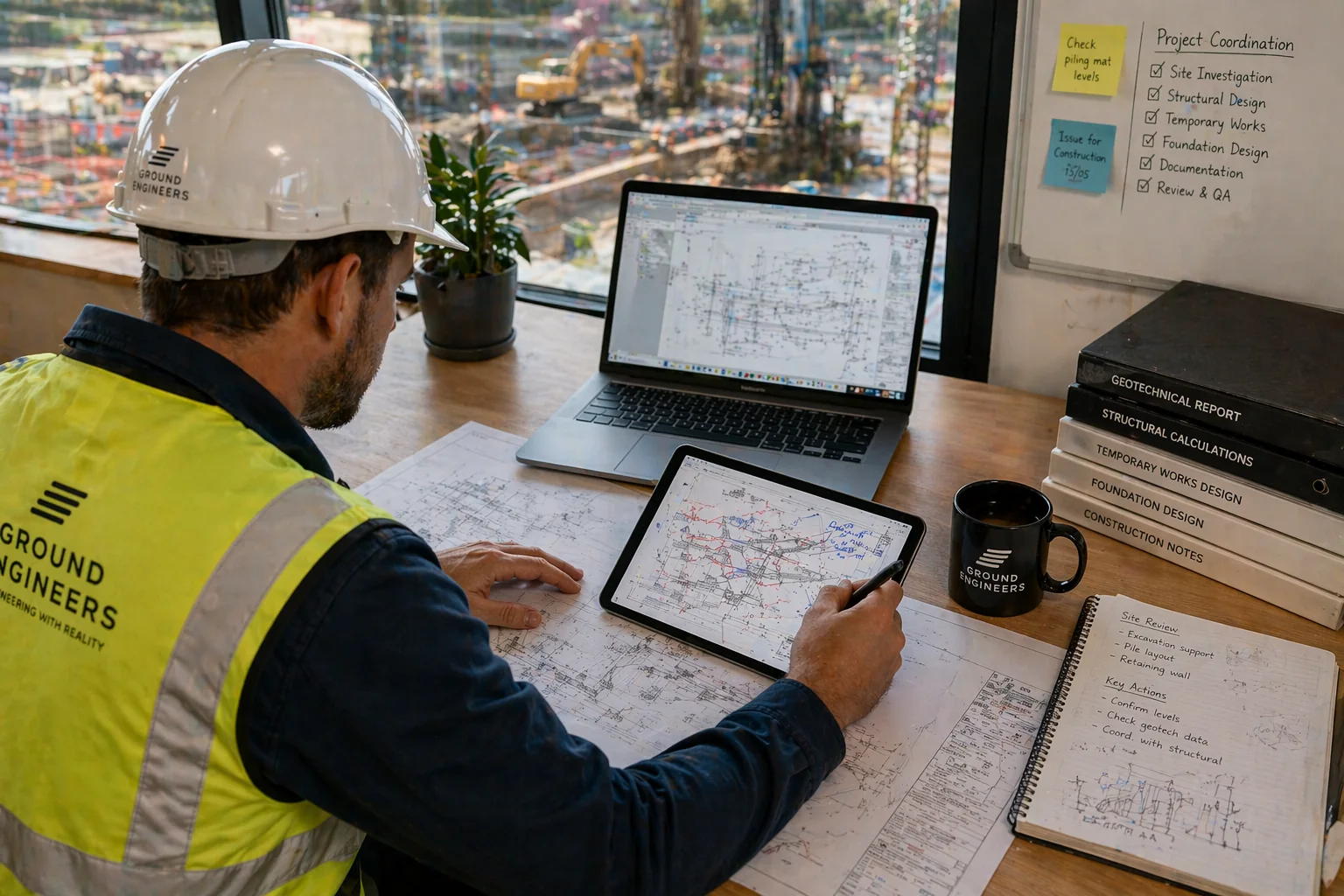
Example Project Situations
These examples are deliberately anonymised. They describe common project situations rather than specific organisations or claimed project history.
Review of excavation retention requirements, temporary stability, adjacent constraints and construction staging for a constrained basement project.
Engineering input for retention system coordination where piling, excavation, groundwater, anchors and structural requirements needed to be considered together.
Assessment of footing and pile options based on available geotechnical information, structural loads and construction access constraints.
Temporary stability and methodology review for staged demolition where structural behaviour and site access influenced the construction approach.
Start The Conversation
Send through the site context, drawings, reports and the decision you need help making. We can start with a defined scope or help frame the right engineering response.