
Site reality first
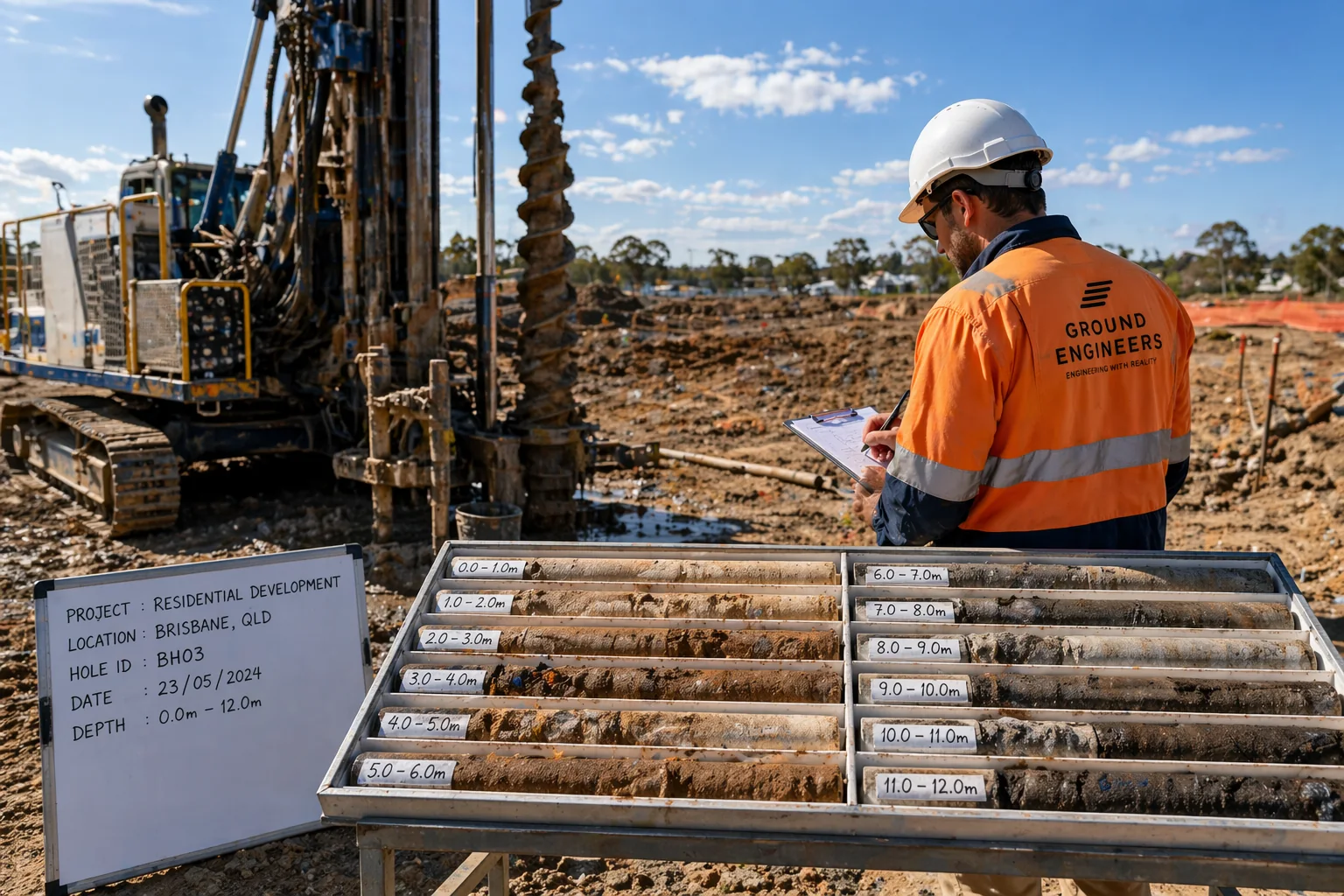
Access, staging, adjacent assets, groundwater, existing structures and construction methodology are treated as part of the engineering problem.
About Ground Engineers
Ground Engineers is positioned where geotechnical, structural, temporary works and civil thinking overlap. The focus is credible technical advice, buildable solutions and clear deliverables for builders, contractors and project teams.
How We Work
The work is built around practical engineering input rather than generic consultancy language. That means the emphasis stays on clear reasoning, useful outputs and a working style that respects site constraints, sequencing and documentation needs.
Ground conditions, structural requirements and temporary works are considered together so advice is easier to coordinate and apply during construction.
What Defines The Approach
Access, staging, adjacent assets, groundwater, existing structures and construction methodology are treated as part of the engineering problem.
Advice is framed around what can be built, checked, sequenced and coordinated by builders, subcontractors and project teams.
Reports, markups, notes and review comments are prepared so technical decisions can be understood and acted on.
Digital systems, structured reporting and selective automation help improve consistency while keeping human review central.
Construction Constraints
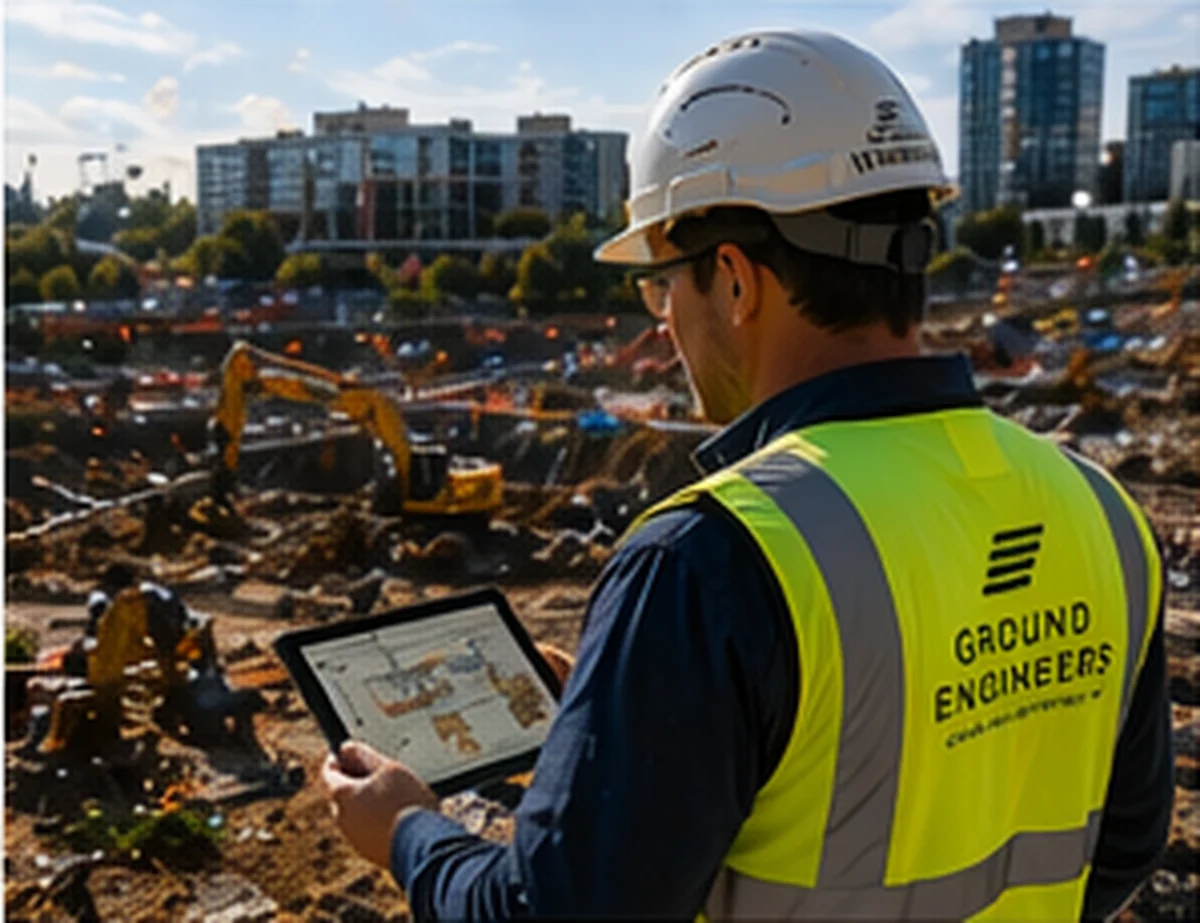
Ground Engineers is focused on the points where ground conditions, structural loads, temporary works and construction methodology meet. The work is shaped around how designs are actually built, reviewed, coordinated and delivered on site.
This is particularly useful for excavation support, retention systems, foundations, piling interfaces, demolition staging, brownfield constraints and construction-stage design review.
Practical Documentation
Construction teams need information that can be reviewed, priced, coordinated and built. Ground Engineers focuses on concise reports, design notes, markups, calculations and review comments that explain the engineering basis and the action needed.
Clear written outputs for geotechnical, structural, temporary works and site-constraint decisions.
Drawing-based feedback that helps teams see the issue, interface or required coordination point.
Technical notes that support tenders, methodology, staging, temporary conditions and site-driven change.
Digital workflows used to keep drawings, reports, assumptions and review comments traceable.
Where This Helps
Helpful when project teams need fast, credible direction on investigations, site constraints, buildability or likely design pathways.
Useful where temporary works, foundations, structures and site conditions influence each other and need a joined-up response.
Relevant where documentation needs to be concise, professional and easier for clients, builders and project teams to follow.
Suitable for teams who value digital organisation and pragmatic process without unnecessary consultancy theatre.
Digital Workflow Support
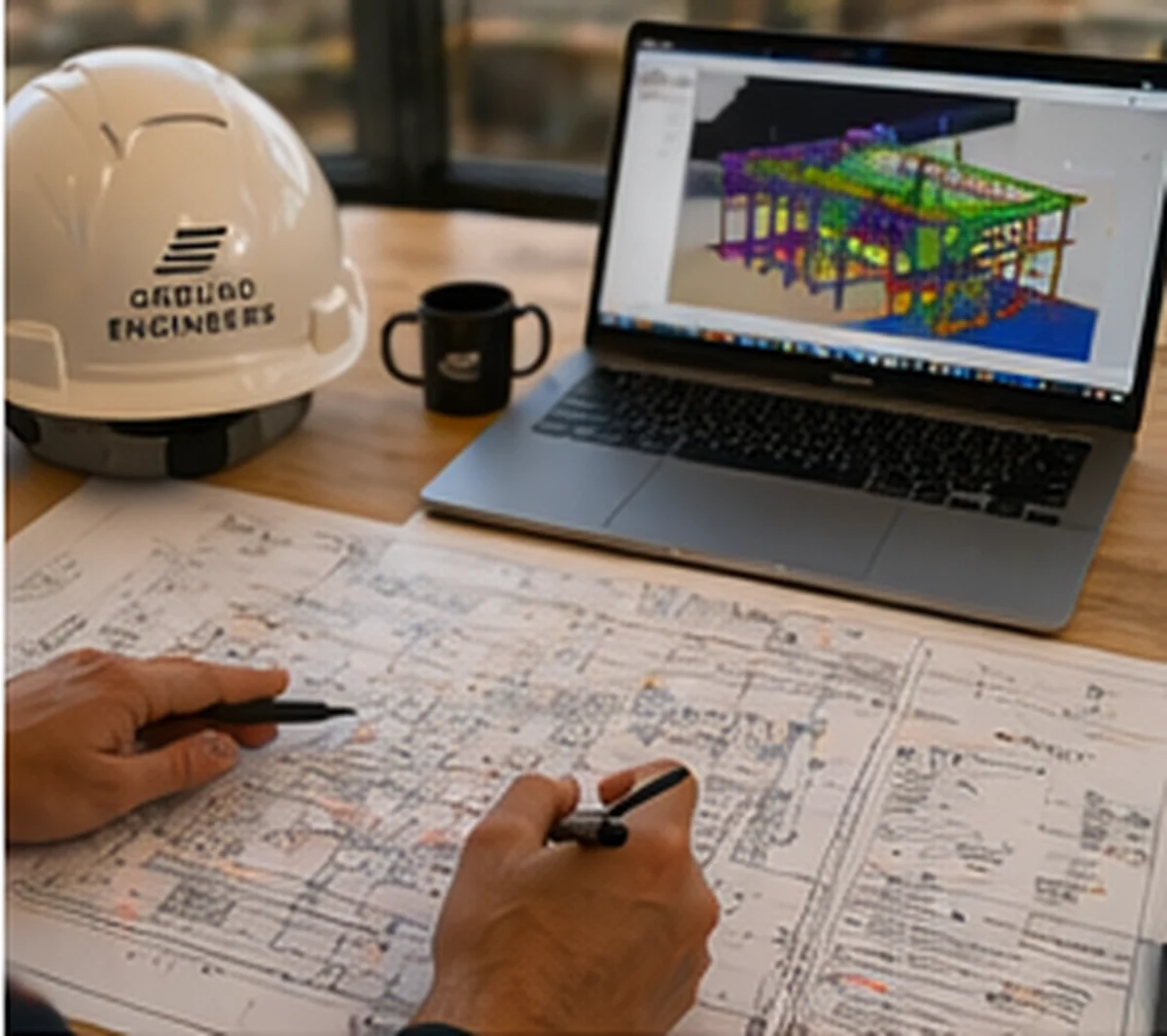
Structured digital workflows help organise information, prepare clearer documentation and reduce repetitive drafting effort. Technical judgement, checking, site-aware review and professional responsibility remain central to the work.
Ready To Talk?
We can start with a defined scope or an early conversation around site conditions, structural requirements and likely engineering pathways.