Services

Engineering services structured around practical delivery and technical clarity.

Ground Engineers supports contractors, builders, developers and project teams with geotechnical engineering, structural engineering support, temporary works, shoring design, foundation pile design and construction-stage engineering input where buildability matters.

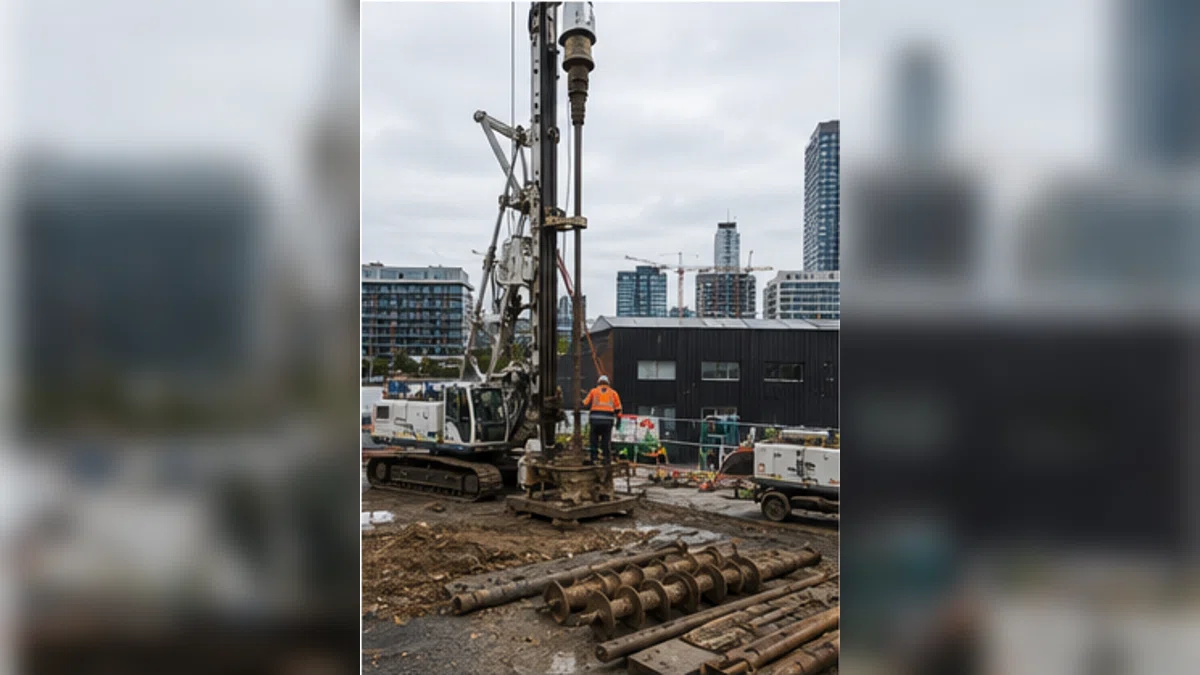
Ground investigation and soil information used for geotechnical engineering advice.

01

Geotechnical Engineering

Ground-related advice for investigation planning, interpretation and construction decisions.

Ground Engineers provides geotechnical input for projects where ground conditions affect excavation, foundations, retention, pavements, temporary works or construction methodology.

This includes investigation planning, review of available ground information, interpretation of geotechnical risks and practical recommendations that can be coordinated with structural and construction requirements.

When clients need it

  • Early project planning where likely ground conditions need to be understood.
  • Excavation retention, basement, footing or pile decisions that depend on soil, rock or groundwater conditions.
  • Tender or construction-stage review when available ground information needs practical interpretation.

Typical support provided

  • Geotechnical investigation scoping.
  • Review of borehole, test pit and laboratory information.
  • Foundation recommendations.
  • Excavation and retention advice.
  • Groundwater and ground movement considerations.
  • Design parameters for structural and temporary works coordination.

Common deliverables

  • Geotechnical review notes.
  • Foundation and excavation advice.
  • Design parameters and assumptions for coordination.
  • Clear reporting for builders, designers and project teams.
Related project types

  • Basement excavations
  • Pile and foundation works
  • Shoring and retaining systems
Discuss this service
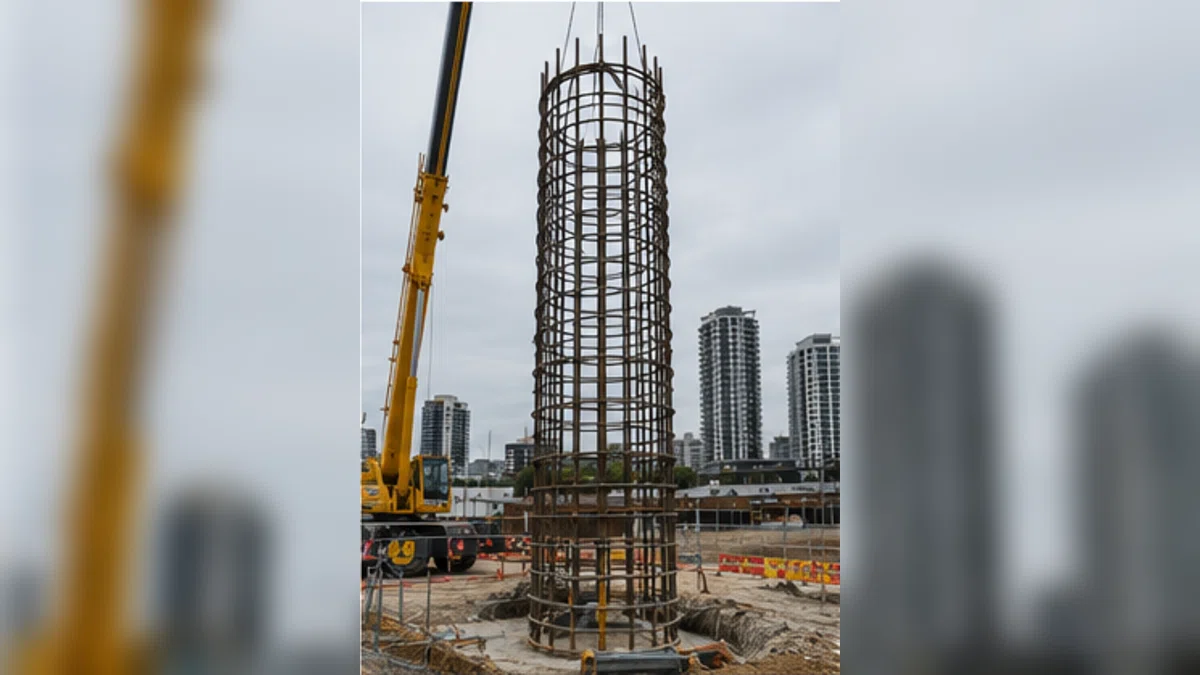
Foundation reinforcement detailing and structural pile design for construction.

02

Structural Engineering

Practical structural engineering support coordinated with ground conditions, construction sequence and site constraints.

Ground Engineers provides structural engineering support where design decisions need to work with construction methodology, temporary conditions and site access.

The focus is clear, buildable advice that assists contractors and project teams during design development, tendering and construction.

When clients need it

  • A structural decision is affected by excavation, ground conditions or temporary works.
  • Construction staging creates short-term support or stability questions.
  • Project teams need markups or review comments that are easier to act on.

Typical support provided

  • Structural design review and coordination.
  • Retaining and foundation-related structural input.
  • Construction-stage design notes.
  • Markups and review comments.
  • Structural advice for site constraints and temporary conditions.

Common deliverables

  • Design notes and sketches.
  • Review markups.
  • Coordination comments.
  • Construction-stage technical advice.

Related project types

  • Demolition and temporary stability
  • Foundation interfaces
  • Construction-stage review
Discuss this service
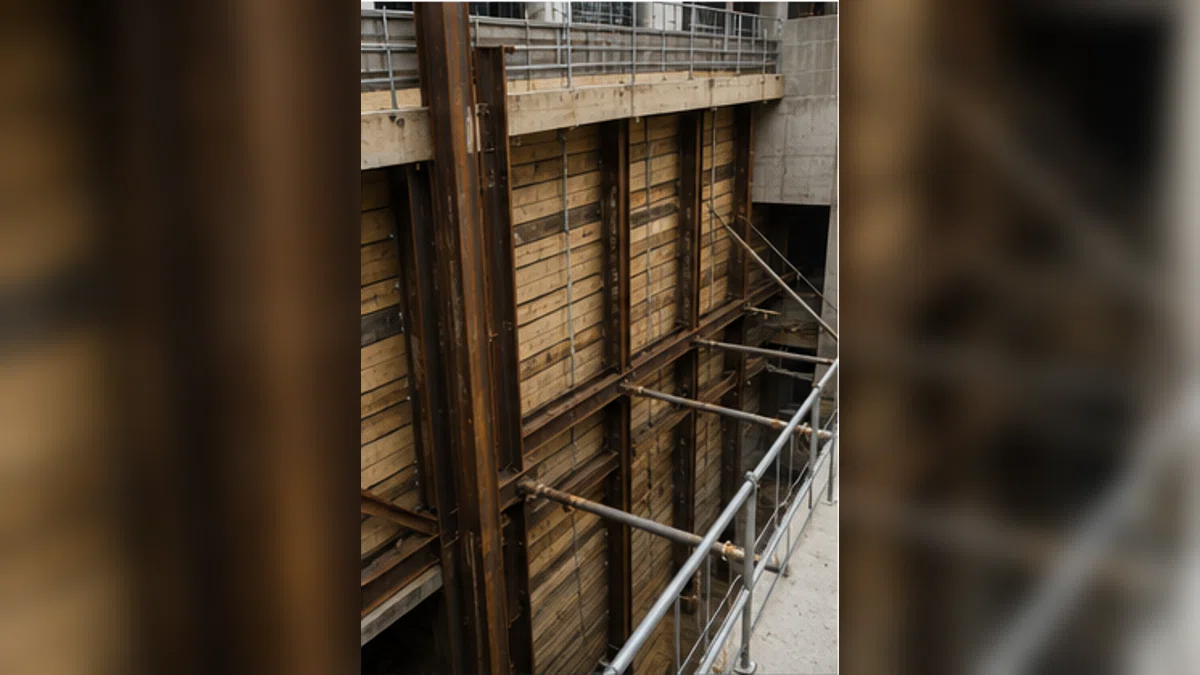
Temporary works shoring and excavation support for construction staging.

03

Temporary Works & Shoring Design

Temporary support strategies shaped for sequencing, excavation and short-term stability needs.

Temporary works decisions often control whether excavation and construction can proceed safely, efficiently and in the right sequence.

Ground Engineers supports temporary works planning and review for excavation support, shoring, propping, anchoring, staging and short-term stability.

When clients need it

  • Excavation depth, adjacent assets or boundaries require retention or shoring design input.
  • Temporary stability needs to be checked during staging, demolition or construction.
  • Methodology needs engineering review before work proceeds.

Typical support provided

  • Shoring and retention design input.
  • Temporary stability review.
  • Excavation staging advice.
  • Propping and anchoring coordination.
  • Methodology review.
  • Interfaces between temporary works and permanent works.

Common deliverables

  • Shoring design notes.
  • Temporary works review comments.
  • Construction sequence markups.
  • Coordination notes for contractors and project teams.

Related project types

  • Basement excavations
  • Secant pile walls
  • Anchors and props
Discuss this service
Foundation reinforcement and pile design work being coordinated for construction.

04

Foundation & Pile Design

Foundation and pile design input that responds to ground conditions and the way the project will actually be built.

Foundation decisions need to respond to both the ground conditions and the construction method.

Ground Engineers provides foundation and pile design input that considers geotechnical conditions, structural loads, excavation requirements, access constraints and construction methodology.

When clients need it

  • Available geotechnical information needs to be converted into practical foundation options.
  • Pile, footing or retention interfaces need coordination with structural loads and access constraints.
  • A project team needs a foundation option review before committing to methodology or pricing.

Typical support provided

  • Shallow and deep foundation advice.
  • Pile design input.
  • Foundation option review.
  • Retention and foundation interface coordination.
  • Review of design assumptions and available ground information.

Common deliverables

  • Foundation advice notes.
  • Pile design input.
  • Option comparison comments.
  • Coordination markups for structural and construction teams.

Related project types

  • Pile works
  • Basement structures
  • Ground improvement interfaces
Discuss this service
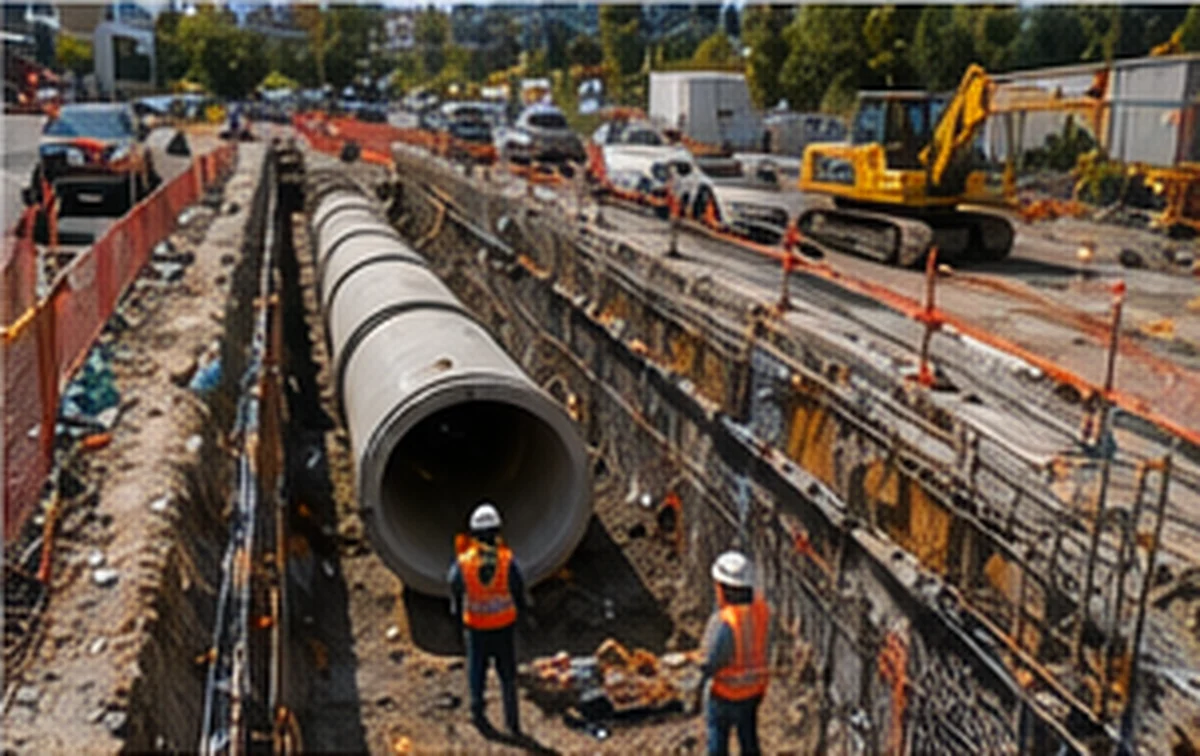
Civil infrastructure and utility works coordinated during excavation and construction.

05

Civil / Site Engineering Support

Site-aware engineering input where civil, structural, geotechnical and temporary works considerations overlap.

Many construction issues sit between formal design disciplines. Ground Engineers provides site-aware engineering input where civil, structural, geotechnical and temporary works considerations overlap.

This support is useful when access, staging, drainage, adjacent structures, utilities or construction methodology influence the engineering response.

When clients need it

  • Project information is fragmented across drawings, reports and methodology notes.
  • Civil constraints affect temporary works, excavation, foundations or structural decisions.
  • The team needs practical engineering notes for tender or construction planning.

Typical support provided

  • Construction-stage technical review.
  • Site constraint assessment.
  • Coordination of drawings, reports and methodology.
  • Advice on access, staging and adjacent assets.
  • Review comments for project teams.

Common deliverables

  • Technical review notes.
  • Site constraint summaries.
  • Coordination markups.
  • Practical engineering comments for planning and delivery.

Related project types

  • Utilities
  • Adjacent assets
  • Construction methodology
Discuss this service
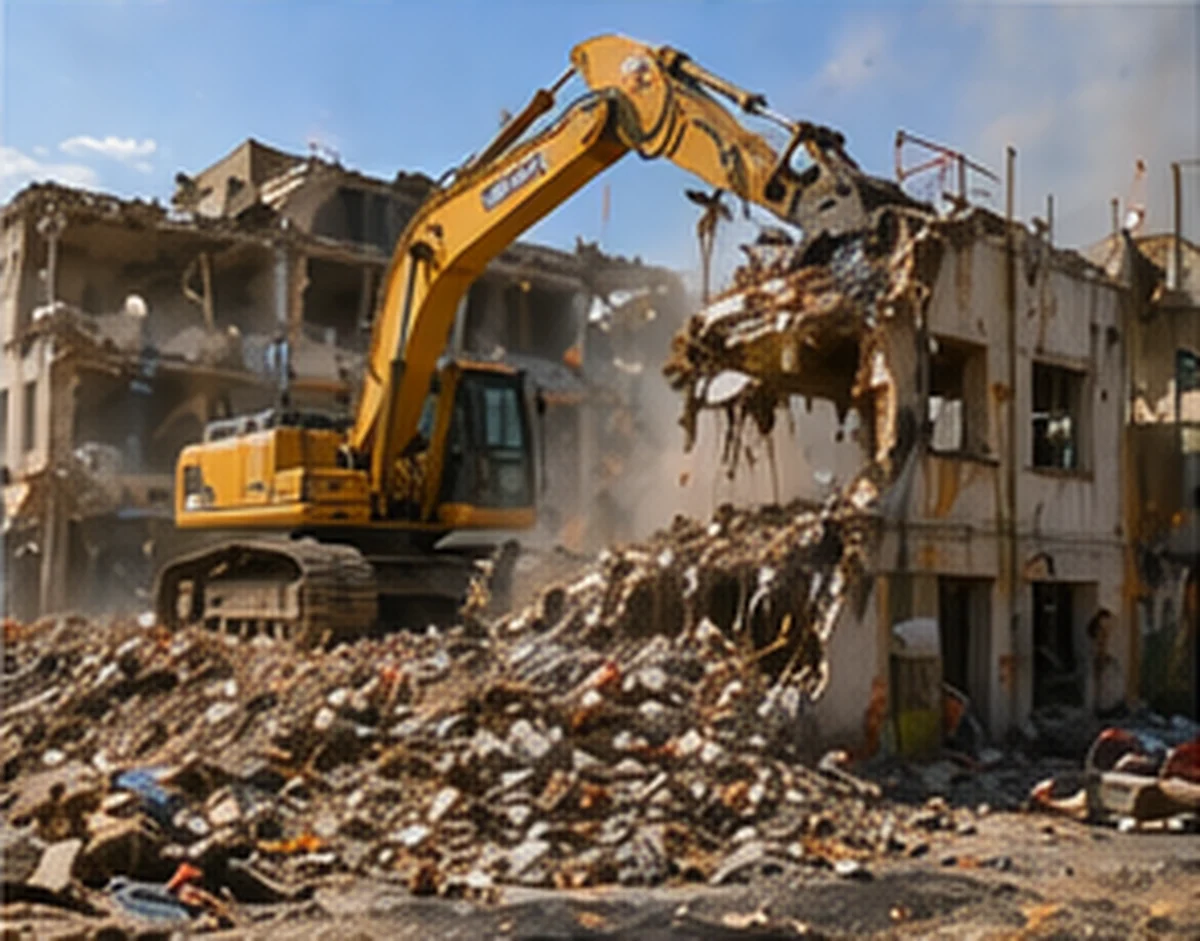
Demolition engineering support and structural assessment during controlled building removal.

06

Demolition Engineering Support

Construction-stage input for demolition methodology, temporary stability and interfaces with remaining or adjacent structures.

Demolition work can create temporary structural conditions that need clear engineering review before and during staging.

Ground Engineers supports methodology review, temporary stability considerations and coordination where demolition affects excavation, retention, adjacent assets or construction access.

When clients need it

  • Staged demolition changes the way a structure is supported.
  • Temporary stability needs review before removal works proceed.
  • Demolition interfaces with excavation, retention, utilities or adjacent structures.

Typical support provided

  • Demolition methodology review input.
  • Temporary stability and staging considerations.
  • Structural review comments for removal sequences.
  • Coordination with temporary works and site access constraints.

Common deliverables

  • Methodology review notes.
  • Temporary stability comments.
  • Construction-stage markups.
  • Coordination notes for contractors.

Related project types

  • Temporary stability
  • Adjacent structures
  • Staged removal works
Discuss this service
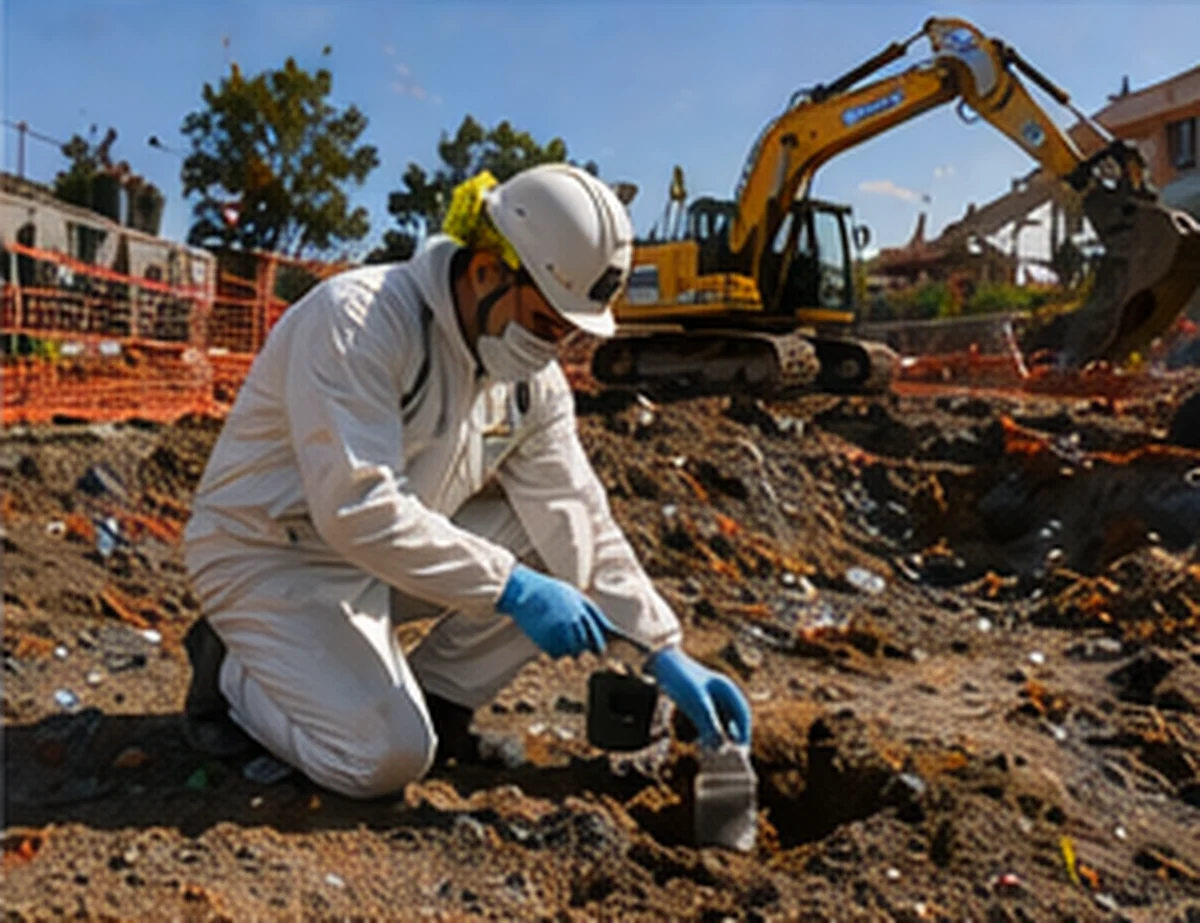
Contamination assessment and soil sampling during site investigation.

07

Contamination / Brownfield Constraints

Engineering coordination for projects where brownfield conditions influence excavation, foundations, temporary works or construction methodology.

Brownfield and constrained sites often involve existing structures, contamination assessment, groundwater, access limits, adjacent assets or uncertain ground conditions.

This support is framed as engineering coordination and design input around site constraints. It does not replace specialist environmental, hazardous materials or statutory advice where those services are required.

When clients need it

  • Existing conditions or contamination constraints affect excavation or foundation strategy.
  • Groundwater, access or adjacent assets shape construction methodology.
  • Project teams need engineering coordination between environmental, civil, geotechnical and structural inputs.

Typical support provided

  • Contamination assessment coordination.
  • Excavation and disposal constraint awareness.
  • Groundwater and dewatering interface review.
  • Foundation and retention interface review.
  • Construction notes, markups and coordination inputs.

Common deliverables

  • Site constraint review notes.
  • Interface markups.
  • Brownfield engineering coordination comments.
  • Practical inputs for excavation and foundation planning.

Related project types

  • Brownfield sites
  • Groundwater interfaces
  • Existing structures

Specialist environmental, hazardous materials and statutory advice should be obtained where required.

Discuss this service
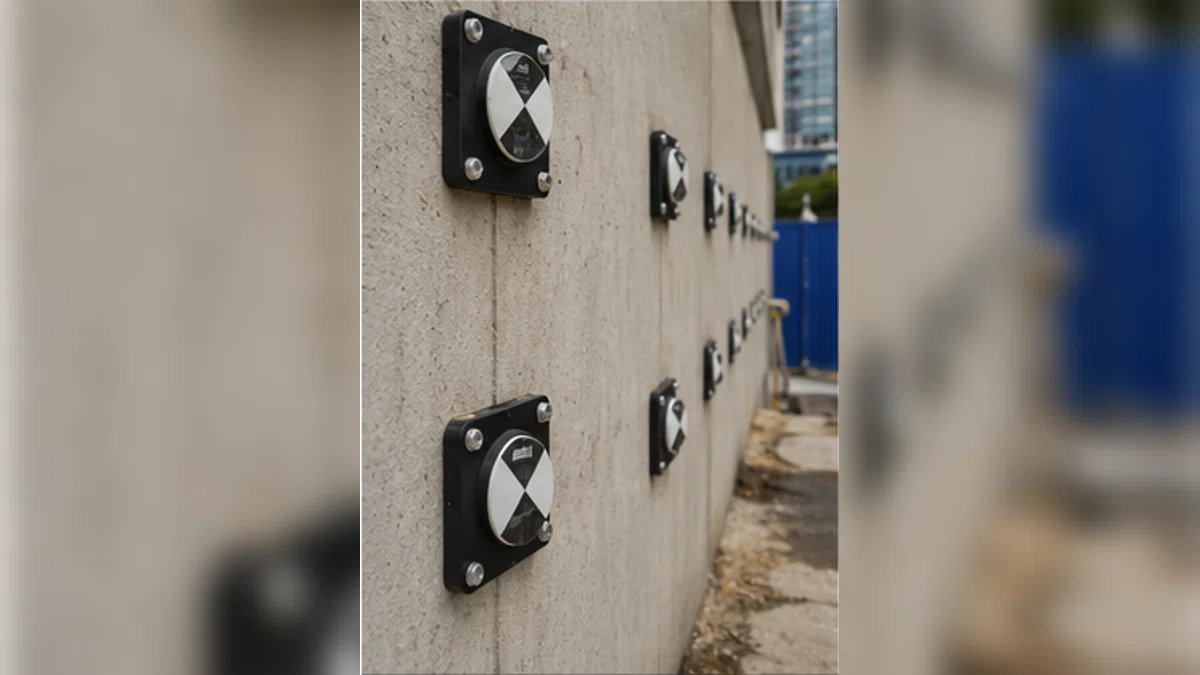
Survey monitoring prisms installed on a structure adjacent to a construction site.

08

Construction Monitoring Services

Practical monitoring to track movement, vibration and structural response around live construction sites.

Ground Engineers provides construction monitoring services to help manage movement, vibration, settlement and structural risk around live building sites.

Monitoring support is tailored for adjacent buildings, excavations, temporary works, basement construction, infrastructure corridors and sensitive structures.

Settlement and survey monitoring

  • Monitoring points and survey targets for tracking vertical and lateral movement of adjacent structures, retaining walls, pavements and nearby assets.
  • Prism and target installation, baseline surveys and periodic reporting.

Inclinometer and ground movement monitoring

  • Subsurface monitoring for tracking lateral ground movement, retaining wall performance and excavation-related movement trends.
  • Manual and automated inclinometer systems with trend reporting.

Vibration monitoring

  • Site-based vibration monitoring to support construction methodology, stakeholder reporting and risk management around neighbouring buildings or sensitive assets.
  • Continuous logging with threshold alerts and periodic reporting.

Crack and structural monitoring

  • Tell-tales, demec points and visual monitoring systems to track crack movement and document structural condition during construction works.

Data logging and reporting

  • Field data loggers, sensors and reporting workflows for ongoing monitoring during groundworks, piling, excavation and structural works.
  • Clear reporting formats for contractors, project managers and principal engineers.

Related project types

  • Adjacent structure protection
  • Basement excavations
  • Temporary works
Discuss this service

Delivery Style

Technical service with a practical consultancy rhythm.

Early advice

Useful when projects need direction early enough to shape scope, investigations, structural options or construction methodology.

Coordinated outputs

Useful when ground, structure, temporary works and site constraints need to stay aligned rather than being issued as disconnected pieces.

Clear documentation

Reports, markups and design notes are written for the people who need to price, coordinate, review and build the work.

Modern process

Digital organisation, structured reporting and selective automation improve consistency while keeping engineering checking central.

Need A Defined Package?

Send through the scope, site context and project stage.

The contact page is set up for straightforward enquiries, whether you have a tight brief already or need help framing the engineering response.